
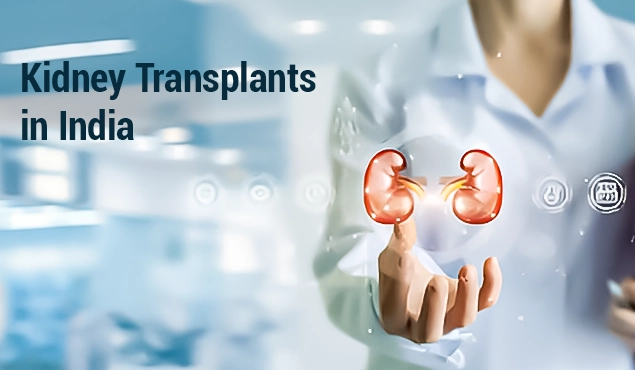
A kidney transplant is a surgery done to replace a diseased or injured kidney with a healthy kidney from a donor. The kidney may come from a deceased organ donor or from a living donor. Family members or others who are a good match may be able to donate one of their kidneys. This type of transplant is called a living transplant. People who donate a kidney can live healthy lives with one healthy kidney.
A person getting a transplant most often gets just one kidney. In rare situations, they may get two kidneys from a deceased donor. The diseased kidneys are usually left in place. The transplanted kidney is placed in the lower belly on the front side of the body.
Why might I need a kidney transplant ?
You may need a kidney transplant if you have end-stage renal disease (ESRD). This is a permanent condition of kidney failure. It often needs dialysis. This process removes wastes and other substances from the blood.
The kidneys:
- Remove urea and liquid waste from the blood in the form of urine. The body breaks down protein-rich foods, such as meat, poultry, and certain vegetables, to produce urea, which the blood then carries to the kidneys.
- Balance salts, electrolytes, such as potassium and sodium, and other substances in the blood
- Make erythropoietin, a hormone that helps red blood cells form
- Regulate blood pressure
- Regulate fluid and acid-base balance in the body to keep it neutral. This is needed for normal function of many processes within the body.
Some conditions of the kidneys that may result in ESRD include:
- Repeated urinary infections
- Kidney failure caused by diabetes or high blood pressure
- Polycystic kidney disease or other inherited disorders
- Glomerulonephritis, which is inflammation of the kidneys’ filtering units
- Hemolytic uremic syndrome, a rare disorder that causes kidney failure
- Lupus and other diseases of the immune system
- Obstructions
Other conditions, such as congenital defects of the kidneys, may result in the need for a kidney transplant.
There may be other reasons for your healthcare provider to recommend a kidney transplant.
What are the risks for kidney transplant ?
As with any surgery, complications can occur. Some complications may include:
- Bleeding
- Infection
- Blockage of the blood vessels to the new kidney
- Leakage of urine or blockage of urine in the ureter
- Lack of function of the new kidney at first
The new kidney may be rejected. Rejection is a normal reaction of the body to a foreign object or tissue. When doctors transplant a new kidney into a recipient’s body, the immune system perceives it as a threat and attacks it. Patients must take medicines to help the immune system accept the transplant and prevent rejection.
The medicines used to prevent or treat rejection have side effects. The exact side effects depend on the specific medicines you take.
Not everyone is a candidate for a kidney transplant. You may not be eligible if you have:
- An infection that persists or recurs and resists effective treatment.
- Cancer that has spread from its original location to elsewhere in the body
- Severe heart or other health problems that make it unsafe to have surgery
- Serious conditions other than kidney disease that would not get better after the transplant
- Failure to follow the treatment plan
There may be other risks depending on your specific medical condition. Be sure to discuss any concerns with your transplant team before the procedure.
Read Also : Robotic Kidney Transplants in India
FAQs: Kidney Transplants in India
Q1. What is a kidney transplant?
A kidney transplant is a surgical procedure in which a diseased or injured kidney is replaced with a healthy kidney from a donor. The donor can be a living person such as a family member or compatible individual or a deceased organ donor. People who donate one kidney can continue to live healthy, normal lives with their remaining kidney.
Q2. Where is the transplanted kidney placed in the body?
The transplanted kidney is placed in the lower abdomen on the front side of the body. In most cases, the patient’s original diseased kidneys are left in place and are not removed during the procedure.
Q3. Can a patient receive two kidneys during a transplant?
In most cases, a patient receives only one kidney. However, in rare situations, two kidneys from a deceased donor may be transplanted into the same recipient.
Q4. Why would someone need a kidney transplant?
A kidney transplant is typically recommended for patients with End-Stage Renal Disease (ESRD) a permanent condition of kidney failure. ESRD is often managed with dialysis, but a transplant offers a more long-term solution. Common causes of ESRD that may lead to a transplant include kidney failure caused by diabetes or high blood pressure, polycystic kidney disease, repeated urinary infections, glomerulonephritis (inflammation of the kidney’s filtering units), lupus, hemolytic uremic syndrome, and certain congenital kidney defects.
Q5. What are the main functions of the kidneys?
The kidneys perform several vital functions in the body: they remove waste products (like urea) and excess fluid from the blood in the form of urine, balance salts and electrolytes such as sodium and potassium, produce erythropoietin (a hormone that supports red blood cell production), regulate blood pressure, and maintain the body’s fluid and acid-base balance.
Q6. What are the risks associated with a kidney transplant?
Like any major surgery, a kidney transplant carries certain risks. These can include bleeding, infection, blockage of blood vessels supplying the new kidney, leakage or blockage of urine in the ureter, and temporary lack of function in the new kidney immediately after surgery. One of the most significant risks is organ rejection, where the immune system attacks the transplanted kidney as a foreign object.
Q7. What is organ rejection and how is it managed?
Organ rejection occurs when the recipient’s immune system recognises the new kidney as foreign and attempts to attack it. This is a natural immune response. To prevent or manage rejection, patients are prescribed immunosuppressant medications that help the immune system accept the new organ. These medications must be taken long-term as directed by the transplant team.
Q8. Who is not eligible for a kidney transplant?
Not everyone qualifies for a kidney transplant. A patient may be ineligible if they have a persistent or recurring infection that resists treatment, cancer that has spread to other parts of the body, severe heart disease or other health conditions that make surgery unsafe, serious conditions that would not improve after the transplant, or a history of not following the prescribed treatment plan.
Q9. What is a living donor kidney transplant?
A living donor transplant is when a compatible living person — often a family member — donates one of their kidneys to the patient. This is a safe procedure for the donor, as humans can live healthy lives with a single functioning kidney. Living donor transplants often have better outcomes and shorter waiting times compared to deceased donor transplants.
Q10. How can MediKaya Healthcare help with a kidney transplant in India?
MediKaya Healthcare assists international patients through every step of the kidney transplant journey in India from initial consultation and hospital selection to travel arrangements, accommodation, and post-operative support. India offers world-class kidney transplant care at a fraction of the cost compared to Western countries. Contact MediKaya to book a free consultation and get personalised guidance.
📍 E-44/3, First Floor, Okhla Ind. Area Phase 2, New Delhi – 110020 📧 info@medikayahealthcare.com 📞 +91 9717998697 | +91 9205491370
Follow us on:
Address:
E-44/3, First Floor, Okhla Ind. Area Phase 2,
Okhla Industrial Estate, South Delhi,
New Delhi – 110020, India