

Maintaining balanced creatinine levels is essential for long-term kidney health. Creatinine is a natural waste product formed from muscle metabolism, but when its levels rise beyond normal, it can indicate impaired kidney function. Diet plays a major role in influencing creatinine levels, especially the consumption of certain high-protein, processed and sodium-rich foods. Understanding which foods to avoid and how to follow a healthy kidney diet can support effective creatinine reduction and overall well-being.
⊡ Understanding Creatinine and Kidney Health
✓What is Creatinine?
Creatinine is a natural waste product that forms in the body as a result of normal muscle activity. It is produced when creatine, a compound stored in muscles and used for energy during movement, breaks down. Because muscle use happens continuously, creatinine is released into the bloodstream at a fairly steady rate in healthy individuals. The body does not need creatinine for any function, so it must be filtered out efficiently to maintain internal balance.
The kidneys play a vital role in managing creatinine levels. As blood passes through the kidneys, tiny filtering units called nephrons remove creatinine and other waste products, which are then excreted from the body through urine. When the kidneys are functioning properly, creatinine levels in the blood remain within a normal range. However, if kidney function declines, creatinine begins to build up in the bloodstream, making it an important indicator of kidney health.
Creatinine levels can vary from person to person based on factors such as age, gender, muscle mass, diet and physical activity. People with greater muscle mass naturally produce more creatinine, while elderly individuals may have lower baseline levels due to reduced muscle mass. Temporary increases in creatinine may also occur after intense exercise, dehydration, or high protein intake.
Doctors commonly measure creatinine through blood tests and urine tests to assess how well the kidneys are working. Serum creatinine levels, along with calculations like the estimated glomerular filtration rate (eGFR), help identify early signs of kidney dysfunction. Persistently high creatinine levels may signal kidney disease, urinary obstruction, or reduced blood flow to the kidneys.
Understanding what creatinine is and how it is produced helps individuals recognise the importance of kidney-friendly lifestyle choices. Maintaining proper hydration, following a balanced diet and avoiding excessive intake of high-protein and processed foods can support normal creatinine levels. Monitoring creatinine is not just about diagnosing kidney problems, it is also about taking preventive steps to protect long-term kidney health.
⊡ How Creatinine Affects Kidney Function?
Creatinine itself is not harmful, but elevated levels indicate that the kidneys are struggling to filter waste efficiently. When kidneys are overburdened, toxins remain in the bloodstream longer, increasing the risk of fatigue, swelling, high blood pressure and further kidney damage.
High creatinine levels can create a vicious cycle. As kidney function declines, waste removal slows, leading to even higher creatinine accumulation. Over time, this can contribute to chronic kidney disease (CKD) if corrective steps are not taken early.
Diet plays a critical role in this process. Foods high in protein increase creatinine production because protein metabolism generates more waste. Similarly, excessive sodium intake can raise blood pressure, reducing kidney filtration efficiency. Poor hydration further concentrates creatinine in the blood, worsening the situation.
Adopting a healthy diet tailored for kidney support helps reduce strain on the kidneys. Choosing kidney-friendly foods, managing portion sizes and avoiding dietary triggers are essential strategies for stabilising creatinine levels. Early dietary intervention can slow disease progression and improve quality of life for those at risk.
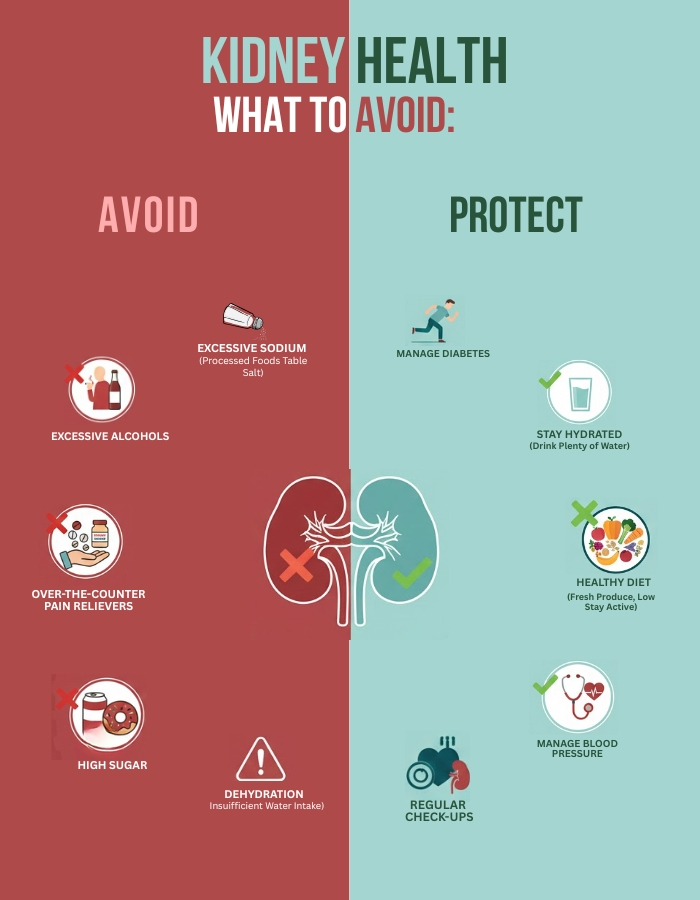
⊡ Foods That Increase Creatinine Levels
✓High-Protein Foods
High-protein foods are often promoted for muscle building and weight management, but excessive consumption can negatively impact kidney health, especially for individuals with elevated creatinine levels. When the body digests protein, it produces nitrogen-based waste products, including creatinine. These wastes must be filtered and removed by the kidneys. A consistently high-protein diet increases the workload on the kidneys, making it harder for them to function efficiently.
Animal-based protein sources such as red meat, poultry, eggs and seafood tend to generate more metabolic waste than plant-based proteins. Regular intake of processed meats like sausages, bacon and deli meats can further strain the kidneys due to added preservatives and sodium. Protein supplements, shakes and powders, often used for fitness goals can also significantly raise creatinine levels when consumed without medical guidance. These high creatinine foods require more filtration, placing additional stress on already compromised kidneys.
Individuals aiming for creatinine reduction should moderate protein intake and avoid protein-heavy diets unless medically advised. Plant-based protein sources like lentils and beans can be consumed in controlled portions, as they are generally easier on the kidneys when balanced properly.
A kidney-friendly approach emphasises personalised protein intake based on age, activity level and existing kidney function. Consulting a healthcare professional or dietitian can help determine the right amount of protein needed, supporting nutrition goals while protecting long-term kidney health.
✓Processed Foods and Additives
Processed foods and artificial additives can significantly impact kidney health and contribute to rising creatinine levels. These foods are often designed for convenience and long shelf life, but they come at a nutritional cost. Packaged snacks, instant meals, frozen foods, canned items and fast food typically contain high amounts of sodium, preservatives, refined sugars and chemical additives that place extra stress on the kidneys.
One major concern with processed foods is the presence of phosphate additives. Unlike natural phosphorus found in whole foods, these additives are almost completely absorbed by the body, increasing the burden on the kidneys. When kidney function is already compromised, excess phosphorus and other additives can accumulate in the bloodstream, interfering with normal filtration and contributing to elevated creatinine levels.
Processed foods are also low in fiber and essential nutrients, which are important for overall metabolic balance. High sodium content in these products can raise blood pressure, reducing blood flow to the kidneys and impairing their ability to filter waste efficiently. Over time, this combination of factors accelerates kidney strain and worsens creatinine buildup.
Eliminating or reducing processed foods is a key step in following a sustainable kidney diet. Fresh, home-cooked meals allow better control over ingredients and reduce unnecessary strain on the kidneys.
⊡ What to Avoid for Kidney Health?
✓Sugary Foods and Beverages
Sugary foods and beverages can have a significant negative impact on kidney health, especially for individuals trying to manage high creatinine levels. Excessive sugar intake contributes to weight gain, insulin resistance and poor blood sugar control, all of which are closely linked to kidney damage. People with diabetes are at a higher risk of developing kidney disease, making sugary foods an important category of foods to avoid in a kidney-friendly diet.
Soft drinks, packaged fruit juices, energy drinks, sweetened teas, pastries, candies and desserts contain high amounts of added sugars with little nutritional value. These beverages and foods cause rapid spikes in blood glucose levels, increasing the workload on the kidneys over time. Additionally, many sugary drinks contain phosphorus additives and artificial flavoring agents that further strain kidney function.
A diet high in sugar can also worsen inflammation and contribute to high blood pressure, both of which are harmful to the kidneys. For individuals focusing on creatinine reduction, limiting sugary foods supports better metabolic balance and helps protect kidney function. Choosing water, unsweetened herbal teas and whole fruits in moderation as part of a healthy diet can reduce kidney stress and promote long-term renal health.
✓Excessive Sodium Intake
Excessive sodium intake is one of the most common dietary factors that negatively affects kidney health and contributes to rising creatinine levels. When the body consumes too much salt, it retains extra fluid, which increases blood pressure and places additional strain on the kidneys. Over time, this constant pressure can damage the tiny blood vessels in the kidneys, reducing their ability to filter waste efficiently.
High-sodium foods include processed snacks, packaged meals, fast food, pickles, sauces, instant soups and restaurant-prepared dishes. These items are often hidden sources of salt, making them key foods to avoid for individuals following a kidney-friendly eating plan. Even foods that do not taste salty may contain high sodium levels due to preservatives and flavor enhancers.
A diet high in sodium can also interfere with effective creatinine reduction, especially in people with chronic kidney disease, high blood pressure, or heart conditions. Reducing salt intake supports better blood pressure control, improves kidney circulation and helps maintain stable creatinine levels. Adopting a low-sodium healthy diet, using herbs and spices for flavor and choosing fresh, home-cooked meals are essential steps toward long-term kidney protection.
⊡ Tips for Maintaining Healthy Creatinine Levels
✓Hydration and Its Role
Proper hydration plays a vital role in maintaining kidney health and supporting balanced creatinine levels. Water helps the kidneys flush out waste products, toxins and excess minerals from the bloodstream through urine. When the body is dehydrated, blood becomes more concentrated, making it harder for the kidneys to filter waste efficiently, which can lead to temporarily elevated creatinine levels.
Inadequate fluid intake is a common but often overlooked factor that contributes to kidney stress. Mild dehydration can reduce urine output and increase the workload on the kidneys, especially in individuals already following a kidney diet or managing high creatinine levels. Over time, chronic dehydration may worsen kidney function and interfere with effective creatinine reduction.
Drinking adequate amounts of water throughout the day supports proper circulation within the kidneys and helps prevent the buildup of waste products. However, hydration needs vary depending on age, activity level, climate and existing medical conditions. People with advanced kidney disease should follow fluid guidelines provided by their healthcare provider. As part of a healthy diet and lifestyle, balanced hydration is essential for protecting kidney function and supporting long-term renal health.
✓Incorporating Kidney-Friendly Foods
A healthy kidney diet focuses on providing essential nutrients while minimizing stress on the kidneys and helping maintain balanced creatinine levels. Fresh vegetables such as cabbage, cauliflower, bell peppers and leafy greens are rich in vitamins, antioxidants and fiber, making them excellent choices for supporting overall kidney health. These vegetables are naturally low in sodium and potassium when consumed in appropriate portions, which helps reduce the kidneys’ workload.
Low-potassium fruits like berries, apples, grapes and pears are also beneficial. They offer natural antioxidants that help fight inflammation without contributing to excess mineral buildup. Whole grains, when included in moderation, provide sustained energy and digestive support, while healthy fats such as olive oil promote heart health and reduce inflammation both important for protecting kidney function.
Avoiding heavily processed foods and focusing on fresh, minimally processed ingredients is a key part of a kidney-friendly eating plan. Balanced meals, proper portion sizes and mindful food choices play a critical role in creatinine reduction. When followed consistently under medical guidance, a well-planned kidney diet supports long-term kidney protection and overall wellness.

⊡ Conclusion– Prioritising Kidney Health
Prioritising kidney health is essential for maintaining the body’s natural balance and preventing long-term complications related to elevated creatinine levels. The kidneys perform the critical task of filtering waste, regulating fluids and maintaining electrolyte balance. When kidney function is compromised, waste products such as creatinine can accumulate in the blood, signaling the need for timely dietary and lifestyle interventions.
Adopting a kidney-friendly approach begins with awareness of foods to avoid, including high-protein foods in excess, processed and packaged items, sugary beverages, excessive sodium and phosphorus-rich products. These foods increase the workload on the kidneys and can interfere with effective creatinine reduction. In contrast, following a well-structured kidney diet that emphasises fresh vegetables, low-potassium fruits, whole grains in moderation and healthy fats supports kidney function while meeting nutritional needs.
Lifestyle habits are equally important. Staying properly hydrated, managing blood pressure and blood sugar levels, engaging in regular physical activity, and avoiding smoking or excessive alcohol consumption all contribute to healthier kidneys. Regular health check-ups and laboratory monitoring help detect changes in kidney function early, allowing for timely medical guidance.
Ultimately, protecting kidney health is not about short-term restrictions but about building sustainable habits. With informed food choices, balanced meals and professional support, individuals can maintain stable creatinine levels, slow disease progression and improve overall quality of life.
⊡ Contact Medikaya Healthcare for Kidney Treatment Support in India
If you are seeking verified medical information, private hospital options, treatment cost guidance, or international patient support for kidney treatment in India, our medical coordination team is here to assist you with complete confidentiality and professional care.
Medikaya Healthcare provides end-to-end patient support, including hospital selection, doctor consultations, medical visa assistance, treatment coordination and post-treatment follow-up.
📞 WhatsApp & Call: +91 9717998697
📧 Email: info@medikayahealthcare.com
🌐 Website: www.medikayahealthcare.com