
Before most patients ask about cost or hospitals, they ask one question first: how long until I can walk normally again? Knee replacement recovery time is faster than most people expect, but it isn’t instant — and knowing the real week-by-week timeline helps set expectations that actually hold up once the surgery is behind you. This guide walks through exactly what happens from the first hours after surgery through the twelve-month mark, so you can plan travel, work, and daily life around a realistic picture rather than guesswork.
Understanding What Knee Replacement Actually Involves
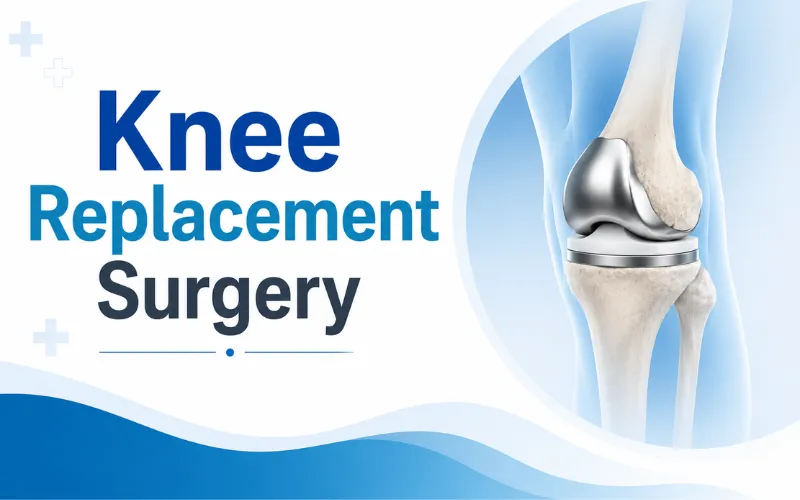
Total knee replacement (arthroplasty) replaces damaged cartilage and bone surfaces of the knee joint with metal and plastic components, typically performed for advanced osteoarthritis or joint damage that has not responded to conservative treatment like physiotherapy, medication, or injections. Partial knee replacement, an option for some patients with damage confined to one part of the joint, generally allows a somewhat faster recovery than a full replacement.
The surgery itself typically takes 1-2 hours under spinal or general anesthesia, and modern surgical techniques and implant materials have meaningfully shortened recovery compared with a decade or two ago.
The First Two Weeks: Learning to Move Again
Most patients stand and take a few assisted steps within 24 hours of surgery, often with physiotherapy starting the very same day—this early mobilization is now standard practice specifically because it reduces complications and speeds overall recovery compared with prolonged bed rest. The first two weeks focus on wound healing, swelling control, and regaining basic range of motion with a walker or crutches.
Pain is expected but manageable with medication, and it typically decreases noticeably by day 10–14. This early phase is where consistency matters more than intensity short, frequent movement sessions, several times a day, consistently outperform pushing hard once a day and then resting excessively.
Weeks 3 to 6: Building Real Strength
By the three-week mark, most patients transition from a walker to a cane, and by six weeks many are walking short distances unaided on flat surfaces. Structured physiotherapy — focused on quadriceps strength, balance, and bending the knee fully (typically targeting at least 110-120 degrees of flexion) — is the single biggest factor separating a smooth recovery from a slow one.
Return to light desk work often happens around this point, though standing for long periods still takes more time, and driving typically isn’t cleared until the surgeon confirms adequate strength and reaction time, usually around week 4-6 for the surgical leg.
Three Months and Beyond: The Real Finish Line
Most patients report walking pain-free on flat ground by 3 months, with continued improvement in stamina, stair-climbing, and activities like swimming or cycling through month 6. Full recovery — including higher-impact activity and complete resolution of residual swelling — can take up to a year, though the vast majority of daily-life limitations resolve well before that milestone.
It’s worth setting expectations honestly here: some mild residual stiffness or awareness of the joint, particularly with weather changes, is common even in successful outcomes and doesn’t indicate a problem — it’s simply part of how a prosthetic joint feels compared with a natural one.
What Actually Determines Recovery Speed
Consistent physiotherapy attendance, maintaining a healthy weight, managing any diabetes or cardiovascular conditions well beforehand, and starting movement early after surgery are the strongest predictors of a faster recovery. Age alone is a weaker predictor than overall fitness and motivation — many patients in their 70s recover faster than younger patients who skip physiotherapy sessions.
Smoking is a documented risk factor for slower wound healing and complications, and quitting well before surgery, where possible, meaningfully improves outcomes. Pre-surgical conditioning — strengthening the muscles around the knee before the operation — has also been shown to shorten post-surgical recovery time.
Planning Travel and Follow-Up as an International Patient
For international patients, MediKaya typically plans a 10–14 day in-country stay post-surgery to allow safe travel clearance, with physiotherapy guidance to continue at home through video follow-up and a written rehabilitation plan. This window allows the surgical team to confirm wound healing, monitor for early complications like blood clots, and ensure basic mobility milestones are met before flying.
MediKaya’s orthopedic partner hospitals, including Max Super Speciality Noida, provide a full pre-surgical assessment based on X-rays and clinical history, along with a transparent cost estimate covering surgery, hospital stay, and the local physiotherapy period — before any travel commitment is made.
Common Concerns Patients Have Before Surgery
Many patients worry specifically about the sensation of a ‘foreign’ joint, the risk of the implant loosening over time, or needing a repeat surgery years later. Modern knee implants are generally designed to last 20-25 years or longer in the majority of patients, and revision surgery, when eventually needed, is a well-established procedure in its own right rather than a sign the original surgery failed.
Blood clot prevention is another genuine focus of post-surgical care — patients are typically given blood-thinning medication and encouraged to move early specifically to reduce this risk, alongside compression stockings during the initial recovery period. Being aware of and following these precautions meaningfully reduces an already low risk further.
Preparing Your Body Before Surgery Day
Pre-surgical conditioning — sometimes called ‘prehabilitation’ — involves strengthening the muscles around the knee in the weeks before surgery, which has been shown in several studies to shorten post-surgical recovery time and improve early functional outcomes. This can be as simple as guided exercises a physiotherapist recommends once surgery is scheduled.
Managing weight, blood sugar (for diabetic patients), and blood pressure in the lead-up to surgery also reduces surgical risk and supports smoother healing — MediKaya’s coordinating team shares this guidance as part of the pre-travel preparation process, so patients arrive as ready as possible for the procedure itself.
Life With a New Knee: Long-Term Expectations
Most patients report a dramatic improvement in daily quality of life after knee replacement climbing stairs, walking distances, and simply moving without the grinding pain of advanced arthritis become possible again in ways that had gradually disappeared over years. Low-impact activities like walking, swimming, cycling, and golf are generally well-supported long-term, while high-impact activities like running or contact sports are typically discouraged to protect the longevity of the implant.
Occasional clicking or a mild sense of the joint being ‘different’ from a natural knee is common and normal, not a sign of a problem, and most patients report simply becoming used to this over the following months as the new joint integrates fully into daily movement patterns.
Choosing the Right Time for Surgery
There’s no universal ‘right’ age for knee replacement — the decision is generally based on how much pain and disability the joint is causing relative to conservative treatment, rather than age alone. Waiting too long, hoping the joint will somehow improve on its own, can sometimes lead to muscle weakness and compensatory habits that make recovery slightly harder once surgery does happen, which is worth factoring into the decision alongside pain levels themselves.
MediKaya’s orthopedic partners provide an honest assessment of whether surgery is genuinely the right next step based on your X-rays and symptom severity, rather than defaulting to a surgical recommendation for every case that inquires.
Frequently Asked Questions
Q. How soon can I fly home after knee replacement surgery?
Most surgeons clear international patients to fly around 10–14 days post-surgery, once wound healing and mobility milestones are met — this is confirmed on a case-by-case basis by your surgeon.
Q. Is the pain during recovery severe?
Pain is expected in the first 1–2 weeks but is managed with medication and typically decreases significantly by day 10–14. Most patients describe it as manageable rather than unbearable.
Q. Do both knees ever need replacement at once?
Yes, bilateral knee replacement is possible for suitable candidates, though recovery is generally more demanding than one knee at a time — your surgeon will advise based on your overall health.
Q. What determines a faster vs. slower recovery?
Consistent physiotherapy, maintaining a healthy weight, managing any diabetes or cardiovascular conditions well, and starting movement early after surgery are the strongest predictors of a faster recovery.
Q. Does smoking affect knee replacement recovery?
Yes — smoking is a documented risk factor for slower wound healing and higher complication rates. Quitting before surgery, even a few weeks in advance, can meaningfully improve outcomes.
Q. Is partial knee replacement faster to recover from than total replacement?
Generally yes, for suitable candidates with damage confined to one compartment of the knee — but not everyone qualifies, and your surgeon will determine which procedure fits your specific joint damage.
КРАТКО НА РУССКОМ
Восстановление после замены коленного сустава проходит быстрее, чем многие ожидают, но требует терпения и последовательной физиотерапии. Первые шаги — уже в течение суток после операции, уверенная ходьба без опоры — обычно к 6 неделям, а полностью безболезненная ходьба по ровной поверхности — примерно через 3 месяца. Полное восстановление, включая исчезновение отёка, может занять до года. Скорость восстановления больше зависит от регулярности физиотерапии, веса и общего состояния здоровья, чем от возраста. MediKaya Healthcare организует операцию и физиотерапию в аккредитованных клиниках Индии для пациентов из СНГ, включая безопасный график вылета домой.
Planning knee replacement and want a realistic recovery timeline for your case?
Get a free orthopedic consultation.