
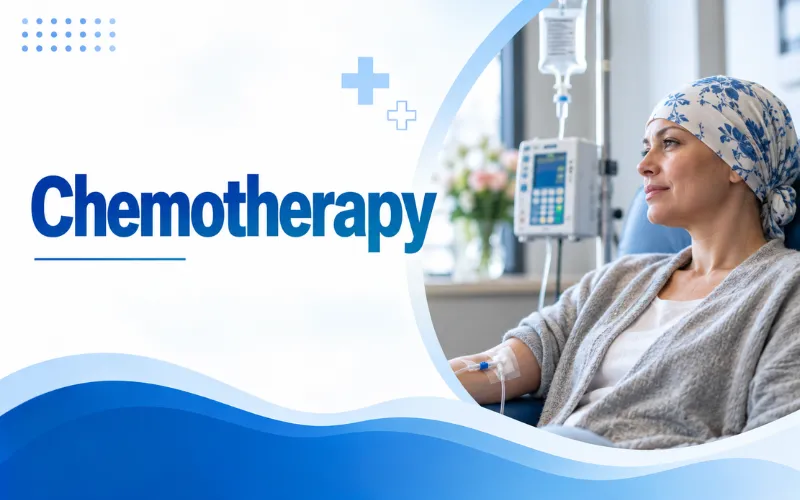
Few words in medicine carry as much fear as ‘chemotherapy’—often more than the reality actually warrants once the chemotherapy process is explained plainly. This guide breaks the process down in accessible language for patients who have just been told they need it, and for the family members researching on their behalf at 2 a.m., trying to understand what the coming months will actually involve.
What Chemotherapy Actually Does
Chemotherapy uses drugs designed to kill or slow the growth of rapidly dividing cells — which includes cancer cells, but also some healthy fast-dividing cells like hair follicles and the digestive tract lining, which is where most side effects originate from. It can be used to cure cancer, shrink a tumor before surgery (neoadjuvant chemotherapy), mop up remaining microscopic cells after surgery (adjuvant chemotherapy), or manage symptoms and slow progression in advanced disease — the specific goal shapes the exact plan and drug combination chosen.
Different chemotherapy drugs work through different mechanisms — some damage DNA directly, others interfere with cell division machinery — and oncologists typically combine multiple drugs with different mechanisms specifically to attack cancer cells from several angles simultaneously, improving overall effectiveness compared with a single agent alone.
What a Typical Cycle Looks Like
Chemotherapy is given in cycles — a treatment period followed by a rest period to let the body recover — commonly every 2 to 4 weeks, repeated over several months depending on the cancer type and stage being treated. Administration is usually through an IV infusion in a day-care unit, though oral chemotherapy exists for some cancers, taken as tablets at home with regular monitoring.
Most infusion sessions last a few hours, and many patients go home the same day rather than requiring hospital admission, though the first cycle sometimes involves closer monitoring to observe how the body responds before subsequent cycles proceed on a more routine basis. Blood tests before each cycle check that white blood cell counts and organ function are strong enough to continue safely, sometimes requiring a short delay if counts haven’t recovered adequately.
Managing Side Effects Realistically
Common side effects include fatigue, nausea, hair loss, and increased infection risk due to temporarily lowered white blood cell counts — but modern anti-nausea medication and supportive care have significantly improved tolerability compared to a decade ago. Not every regimen causes every side effect, and severity varies enormously between individuals and specific drug combinations, so it’s worth discussing the expected side-effect profile for your specific regimen rather than assuming a generic worst-case picture applies universally.
Fatigue is often the most persistent and underappreciated side effect, sometimes lingering beyond the treatment period itself — pacing activity, prioritizing rest, and accepting help with daily tasks during treatment is a practical, reasonable response rather than a sign of weakness.
Nutrition and Practical Support During Treatment
Maintaining adequate nutrition during chemotherapy supports the body’s ability to tolerate treatment and recover between cycles, though appetite changes, altered taste perception, and nausea can make this genuinely challenging at times. Small, frequent meals, staying well hydrated, and working with a nutritionist experienced in oncology support can meaningfully help manage these challenges rather than leaving patients to figure it out alone through trial and error.
MediKaya’s oncology partner hospitals provide full supportive care alongside chemotherapy, including nutrition support, anti-nausea protocols, and infection monitoring, for both patients and the family members accompanying them through what is often a demanding period for the whole family, not just the patient.
Understanding the Role of Family and Caregivers
Family members researching chemotherapy on a patient’s behalf often carry their own significant anxiety and uncertainty, sometimes without a clear outlet to ask questions directly. Being included in consultations, understanding the treatment plan and expected timeline, and knowing which symptoms warrant urgent contact with the medical team all meaningfully reduce this caregiver burden.
MediKaya specifically encourages family involvement in consultations and provides clear written information about the treatment plan, expected side effects, and emergency contact protocols — recognizing that a well-informed support system genuinely improves the patient’s overall experience of treatment, not just their medical outcome.
What Happens After Chemotherapy Ends
Following completion of a chemotherapy course, patients typically enter a monitoring phase involving periodic scans and blood tests to confirm the cancer remains controlled and to catch any recurrence early. Recovery from side effects like fatigue and altered taste generally continues gradually over the weeks and months following the final cycle, though the timeline varies by individual and specific regimen used.
MediKaya’s oncology coordinators help arrange this follow-up monitoring plan, including guidance for continuing surveillance with a local physician once the patient has returned home, ensuring continuity of care doesn’t end simply because the active treatment phase has concluded.
How Chemotherapy Fits Into a Broader Cancer Treatment Plan
Chemotherapy is rarely used in isolation for most solid tumors—it’s typically one component of a broader treatment strategy that may include surgery, radiation therapy, immunotherapy, or targeted therapy, sequenced based on the specific cancer type, stage, and individual patient factors determined by a multidisciplinary tumor board review. Understanding where chemotherapy fits within this broader plan — before surgery to shrink a tumor, after surgery to eliminate remaining cells, or as the primary treatment for cancers that respond particularly well to it — helps patients and families understand the overall treatment logic rather than viewing each step in isolation.
MediKaya’s oncology coordinators help translate this broader treatment plan into a clear timeline for international patients, showing how chemotherapy cycles fit alongside any planned surgery or radiation therapy, rather than presenting chemotherapy as a standalone, disconnected phase of care.
Addressing Common Fears Directly
Many patients’ fear of chemotherapy stems from outdated portrayals or stories from decades past, when supportive care was considerably less advanced than it is today — modern anti-nausea medications, growth factors to support blood cell recovery, and better-tailored dosing have meaningfully changed the day-to-day experience of treatment for many patients compared with older regimens.
It’s entirely reasonable to ask an oncologist directly what side effects are most likely with your specific regimen, rather than assuming the most severe historical accounts apply universally — this kind of direct, specific conversation is exactly what a thorough oncology consultation should include.
Frequently Asked Questions
Q. Does chemotherapy always cause hair loss?
No — hair loss depends on the specific drugs used, not chemotherapy as a whole. Some regimens cause significant hair loss, others cause little to none.
Q. How long does a full course of chemotherapy usually take?
This varies by cancer type and stage, but a common course spans 4 to 8 cycles over roughly 3 to 6 months, sometimes longer for certain cancers.
Q. Can chemotherapy be combined with other treatments?
Yes — it’s frequently combined with surgery, radiation therapy, immunotherapy, or targeted therapy, depending on the cancer type and stage, as part of a broader treatment plan.
Q. Is it safe to travel internationally for chemotherapy?
Many patients do travel for chemotherapy, particularly for specialized regimens, but it requires careful coordination of cycle timing, blood monitoring, and a stable place to stay — which MediKaya helps plan around each cycle.
Q. Why do chemotherapy cycles include a rest period?
The rest period allows healthy, fast-dividing cells like blood cells to recover between treatments, which is why blood tests are checked before each new cycle to confirm it’s safe to proceed.
Q. What support is available for family members during a patient’s chemotherapy?
MediKaya encourages family involvement in consultations, provides clear written treatment information, and offers guidance on nutrition and caregiver support throughout the treatment period.
КРАТКО НА РУССКОМ
Химиотерапия — это лечение препаратами, которые воздействуют на быстро делящиеся клетки, включая раковые, но также затрагивающие волосяные фолликулы и слизистую пищеварительного тракта, что объясняет большинство побочных эффектов. Лечение проводится циклами с периодами восстановления, обычно каждые 2-4 недели, а анализы крови перед каждым циклом подтверждают безопасность продолжения терапии. Современная поддерживающая терапия значительно облегчает тошноту и другие побочные эффекты по сравнению с прошлым десятилетием. Усталость часто остаётся самым продолжительным симптомом. MediKaya Healthcare координирует химиотерапию, поддержку питания и последующее наблюдение для пациентов из СНГ в онкологических центрах Индии.
Recently diagnosed or supporting a family member through treatment planning? Get a free oncology consultation.