
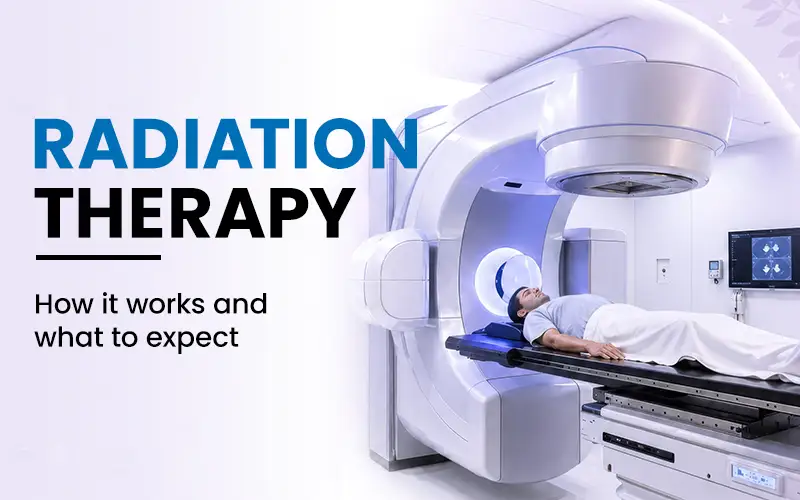
Radiation therapy is used in a share of cancer treatment plans, yet for many patients, radiation therapy is the most mysterious part. Radiation therapy is painless therapy, cannot be seen, and the side effects of radiation therapy are often misunderstood. Here is what radiation therapy does. What the process of radiation therapy looks like from planning to the session and what questions to ask your care team. This guide explains what to expect during radiation therapy, step by step.
Radiation therapy uses high-energy beams or particles to damage the DNA of cancer cells so that they cannot keep dividing. Healthy cells in the path of the beam are affected too, but they are usually better at repairing themselves, and modern planning is designed to focus the dose on the tumour while keeping the surrounding tissue safe. Radiation therapy can be used on its own, before or after surgery, or alongside chemotherapy. The choice depends on the cancer type and its stage.
The two main ways radiation is delivered
| External beam radiation | Internal radiation | |
|---|---|---|
| How it works | A machine outside the body aims beams at the tumour from carefully chosen angles | Brachytherapy a radiation source is placed inside or very close to the tumour, temporarily or occasionally permanently |
| Typical schedule | Short daily outpatient sessions, usually on weekdays, over a period set by your team (it ranges from a few sessions to several weeks) | Fewer sessions or an implant, depending on the cancer; some treatments need a short hospital stay |
| Are you radioactive afterwards? | No. The beam is switched off and nothing stays in your body | Depends on the type: some implants mean temporary precautions around others, which your team will explain |
| Used for | A very wide range of cancers | Selected cancers where the tumour can be reached directly, such as some cervical, prostate and head and neck cancers |
| Ventricular tachycardia / fibrillation | Dangerous rapid rhythms from the lower chambers | Potentially life-threatening and can cause cardiac arrest: a medical emergency |
What the process looks like
- Consultation with a radiation oncologist
The radiation oncologist reviews your diagnosis, scans and treatment goals, and explains whether radiation is recommended, what it is meant to achieve (cure, control, or relief of symptoms), and the likely side effects.
- Simulation and planning
You lie on a scanner couch, often with a mould or mask to keep you still, while imaging maps the exact area to treat. Small skin marks or tiny tattoos may be used to line you up each time. This visit shapes the entire plan.
- Plan calculation
The team calculates the dose and beam angles and checks them before treatment begins. This happens behind the scenes and can take days, so there is usually a gap between simulation and the first session.
- Treatment sessions
Most of the time in the room is spent positioning you precisely; the radiation itself is typically only a few minutes. The therapists watch from outside via camera and intercom, and you can speak to them at any time.
- Check-ins during treatment
You see the team regularly to review side effects and adjust supportive care. Telling them early about symptoms is the best way to keep them manageable.
- Follow-up
After the course ends, effects can continue for a short period before settling, and follow-up visits and scans assess how the treatment has worked.
Side effects: what is common, and why do they differ
Radiation changes the tissue it goes through. This means most of the effects happen in the area that was treated. It does not affect the body. That is why two people can feel different things.
- Fatigue: one of the common general effects. It often builds up slowly over time during the course.
- Skin changes: redness, dryness, or soreness in the treated area, like a sunburn. Your team will give you advice on how to care for your skin.
- Area-specific effects: I have seen throat pain when the neck or chest is treated, bowel or bladder irritation when the pelvis is treated, or hair loss where the treatment was applied.
- Later effects: Some changes might show up months or years later. That’s why follow-up care is so important.
A note on this topic
Starting radiation can feel daunting, and anxiety about the machine, the mask, or the side effects is very common. Many centers have staff who can explain each step, and some offer counseling or support groups. Ask. You are allowed to want a clear explanation before you begin.
Questions worth asking your radiation oncologist
- What is the goal of this treatment: cure, control, or symptom relief?
- How many sessions, and over how long, and can the schedule change?
- Which side effects should I expect for the area being treated, and which need an urgent call?
- Will I have other treatment (surgery or chemotherapy) alongside it, and in what order?
- Do I need to stay near the centre throughout, and what happens if I have to miss a session?
Frequently asked questions
Q: Will radiation make me radioactive?
Not with beam radiation: once the machine is turned off, no radiation remains in your body. Some internal treatments, like brachytherapy, may require precautions, and your care team will explain them fully.
Q: Does radiation therapy hurt?
I have found that the treatment itself is painless. The discomfort that may appear comes from effects such as skin soreness or irritation in the treated area, and the side effects can usually be managed.
Q: Will I lose my hair?
Radiation usually affects the area being treated. Radiation to the scalp can cause hair loss on the scalp. Radiation used elsewhere normally does not cause hair loss, on the head.
Q: Can I keep working or travelling during treatment?
Many people keep doing activities even though some feel tired. Because sessions are set up together, any travel must be planned with your team ahead of time.
Q: Can I get a second opinion on a radiation plan?
Yes. Our partner oncology specialists can review your reports and the proposed plan through a no-obligation second-opinion consultation, so you can decide with more information.
Conclusion
Radiation therapy is one of the carefully thought-out treatments in medicine, and learning about how it works can take away a lot of the worry. There is a beam used with a detailed plan made especially for you and a team that keeps an eye on any side effects during the whole process. If your doctors have suggested it, ask the questions mentioned. If you want another opinion, the plan is something perfectly okay to request.