
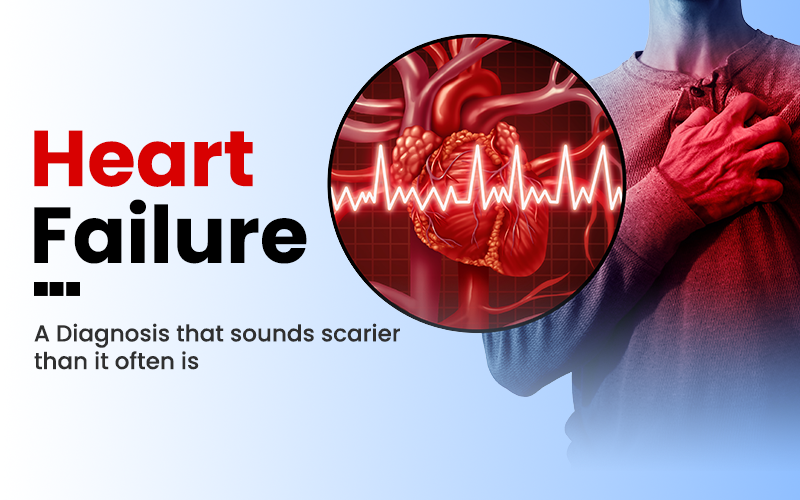
“Heart failure” sounds like the heart has stopped working. It has not. It means the heart is not pushing blood around the body the way the body needs and for people it can be managed. It is serious, and it needs regular treatment and care.
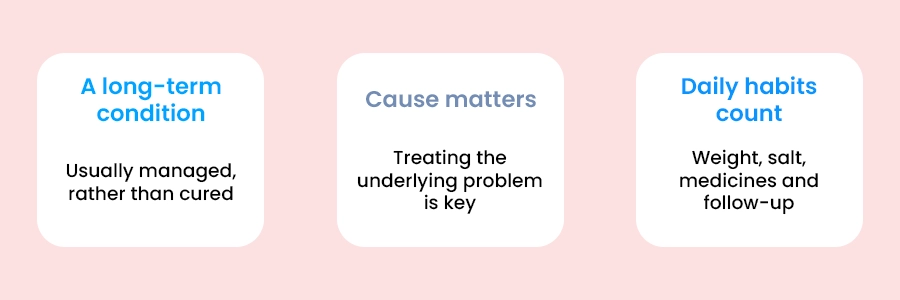
Heart failure is a long‑term condition in which the heart cannot pump blood around the body well as it should. Heart failure does not mean the heart has stopped working or that a person is about to die. Many people live for years with treatment.. Heart failure is a serious condition that tends to need lifelong management and Heart failure can worsen without careful treatment.
Symptoms to recognise
- Breathlessness, especially on exertion or when lying flat
- Needing to sleep propped up on pillows, or waking breathless at night
- Swelling of the ankles, feet or legs
- Persistent tiredness and reduced ability to do usual activities
- Rapid weight gain over a few days, from fluid retention
- A persistent cough or wheeze, or a faster or irregular heartbeat
Why it happens
Heart failure does not stand alone as a disease. Instead heart failure comes from conditions that put strain on or hurt the heart. Typical reasons for heart failure are artery disease and earlier heart attack, high blood pressure, heart valve disease, disease of the heart muscle (cardiomyopathy) irregular heart rhythms and diabetes. Finding the reason, for heart failure and treating that reason is part of the plan.
How it is diagnosed
- History and examination
Symptoms, risk factors and signs such as swelling and breath sounds.
- ECG and blood tests
To check heart rhythm and markers that can point to heart strain.
- Echocardiogram
An ultrasound scan that shows how well the heart pumps and how the valves work. This is a central test.
- Further tests where needed
Chest X-ray, stress tests, angiography or MRI to look for the cause.
Treatment and living with it
Treatment aims to relieve symptoms protect the heart slow down the disease and reduce the need, for hospital stays. Your cardiologist will adjust the plan based on the type of heart failure and the underlying cause.
| Part of the plan | What it involves |
|---|---|
| Medicines | Several types of medicines are often combined, taken regularly as prescribed. Do not stop or change them without advice. |
| Daily self-care | Regular weight checks, watching for swelling, and following advice about salt and fluids as given by your doctor. |
| Lifestyle | Not smoking, limiting alcohol, staying active as advised, and managing diabetes and blood pressure. |
| Devices | In selected patients, implanted devices help the heart keep a safe rhythm or beat more in time. |
| Procedures and surgery | Treating the cause, for example, opening blocked arteries or repairing a valve, when suitable. |
| Advanced options | For severe, advanced disease, specialist options such as heart pumps or transplant are assessed by a heart-failure team. |
Questions for your cardiologist
Bring these to your appointment.
- What type of heart failure do I have, and what caused it?
- What does my echocardiogram show?
- What is each of my medicines for, and what side effects should I watch for?
- What should I monitor at home, and when should I call you?
- Which symptoms mean I should go to the emergency department?
Frequently asked questions
Q: Does heart failure mean my heart has stopped?
No. It means the heart is not pumping efficiently as it should. The heart is still working. It is still working. The heart is not working well as it should. It is still working. The heart is still working. It is still working. The heart is not pumping as it should. It is still working.
Q: Can heart failure be cured?
It is usually a long-term condition that is handled by fixed means, even though in some situations fixing the cause results in big improvements.
Q: Can I exercise?
Many people are told they should stay active. The kind of activity and how much you do should match your health condition. It’s best to talk to your cardiologist about what’s safe and right for you.
Q: Why does my doctor ask me to weigh myself?
Sudden weight gain may mean that fluid is building up. Sudden weight gain is a sign that treatment needs adjusting.
Q: Can I get another opinion on my treatment?
Yes. Our partner cardiology specialists can review your reports. Cardiology specialists will give you a no-obligation second opinion.
Conclusion
Heart failure is a condition, but it is not the end. With the diagnosis and treatment of the problem, daily medicines and good self-care, many people remain active and feel well for a long time. The important thing is to take action early and keep in regular contact with your heart team.