
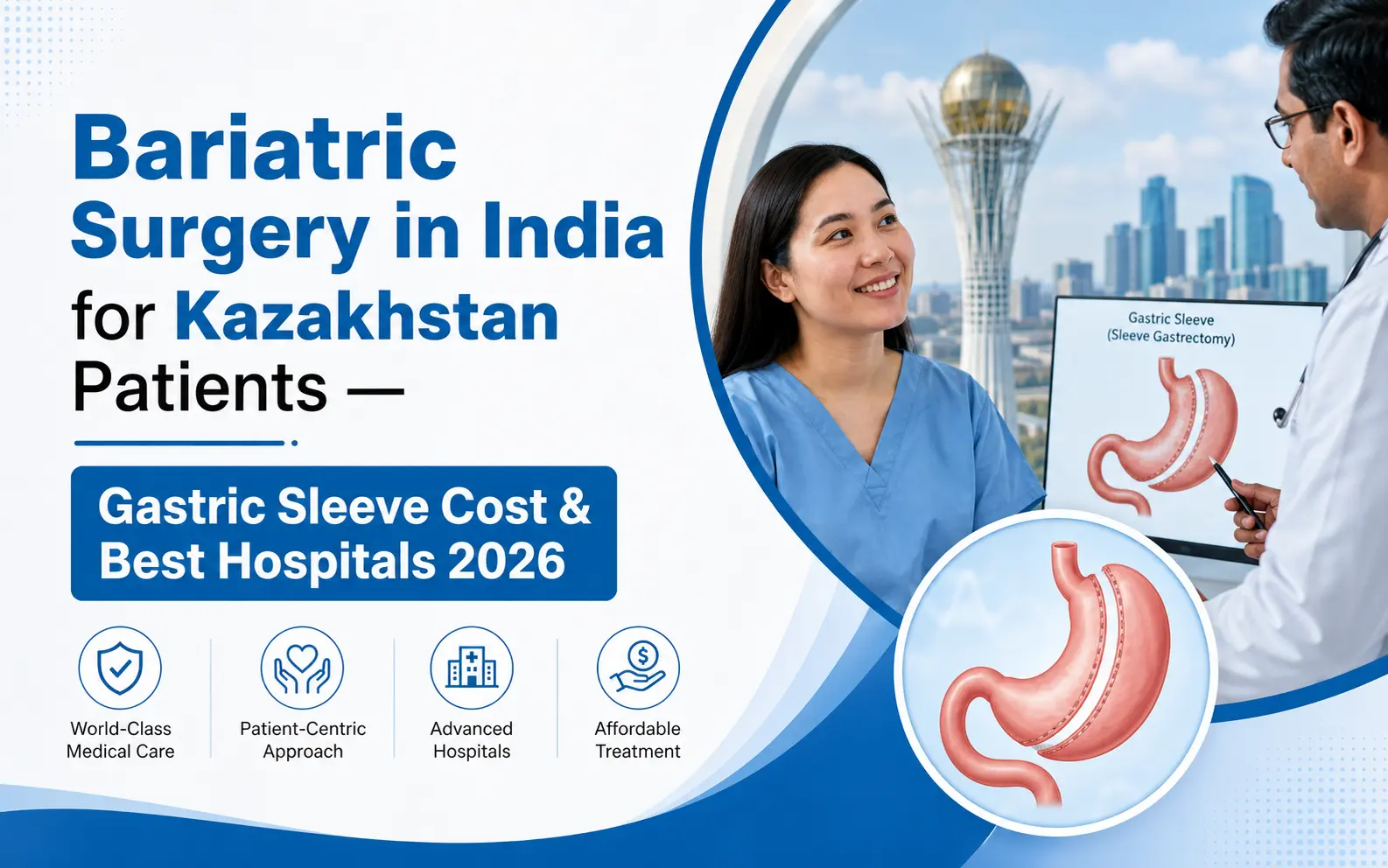
There is a critical stage of obesity in Kazakhstan. More than a quarter of Kazakhstan’s adult population (22 percent) is now considered obese, up from 15 percent in 2010, according to WHO figures. Obesity is more than just a weight issue. It is associated with type 2 diabetes, hypertension, sleep apnea, non-alcoholic fatty liver disease (NAFLD), GERD, and joint disease. If a patient has severe obesity, a BMI greater than 35 with complications or greater than 40, then the only treatment that is proven to produce significant, sustained weight loss is bariatric surgery.
Private hospitals in Kazakhstan are also costly for bariatric surgery, and the availability is limited. The same laparoscopic gastric sleeve procedure, surgical team, quality of implants and instruments, and internationally certified surgical procedure are performed in lap band hospitals in India and at JCI-accredited hospitals for $4,000 to $6,000 in Kazakhstan. In hospital for 3-4 days. The vast majority of patients are allowed to fly home 7-10 days after surgery.
Get to know all the details of bariatric surgery in India in 2026, from the various types of bariatric surgery to the differences in costs between India and Kazakhstan and Turkey, who can undergo it, what to expect from the outcomes, and how the process is streamlined for CIS patients by MediKaya Healthcare.
Why Kazakhstan Patients Are Choosing India for Bariatric Surgery
- Cost: Gastric sleeve in India: $4,000 to $6,000. In Kazakhstan: $8,000 to $12,000. In Turkey: $8,000 to $12,000. In Germany: $15,000 to $20,000. India is consistently the most affordable option at equivalent quality.
- No waiting list: Bariatric surgery in India is scheduled within 1 to 2 weeks of completing the preoperative evaluation. There is no waiting list. Many patients arrive in India and have surgery within 7 to 10 days of landing.
- Laparoscopic technique: All bariatric surgeries in India are performed laparoscopically (keyhole surgery). 3 to 5 small ports, no large abdominal incision, minimal blood loss, faster recovery, and lower wound complication risk. Hospital stay: 3 to 4 days.
- Surgeon quality: India’s bariatric surgeons are internationally trained, many at centers in France, the USA, and Germany. They perform high volumes annually. Volume drives expertise. Medanta’s bariatric program is one of Asia’s largest.
- Type 2 diabetes remission: For patients with obesity and type 2 diabetes, bariatric surgery achieves remission of diabetes in 60 to 80 percent of cases, reducing or eliminating insulin dependency. This is a critical benefit for Kazakhstan patients, where T2D rates are high.
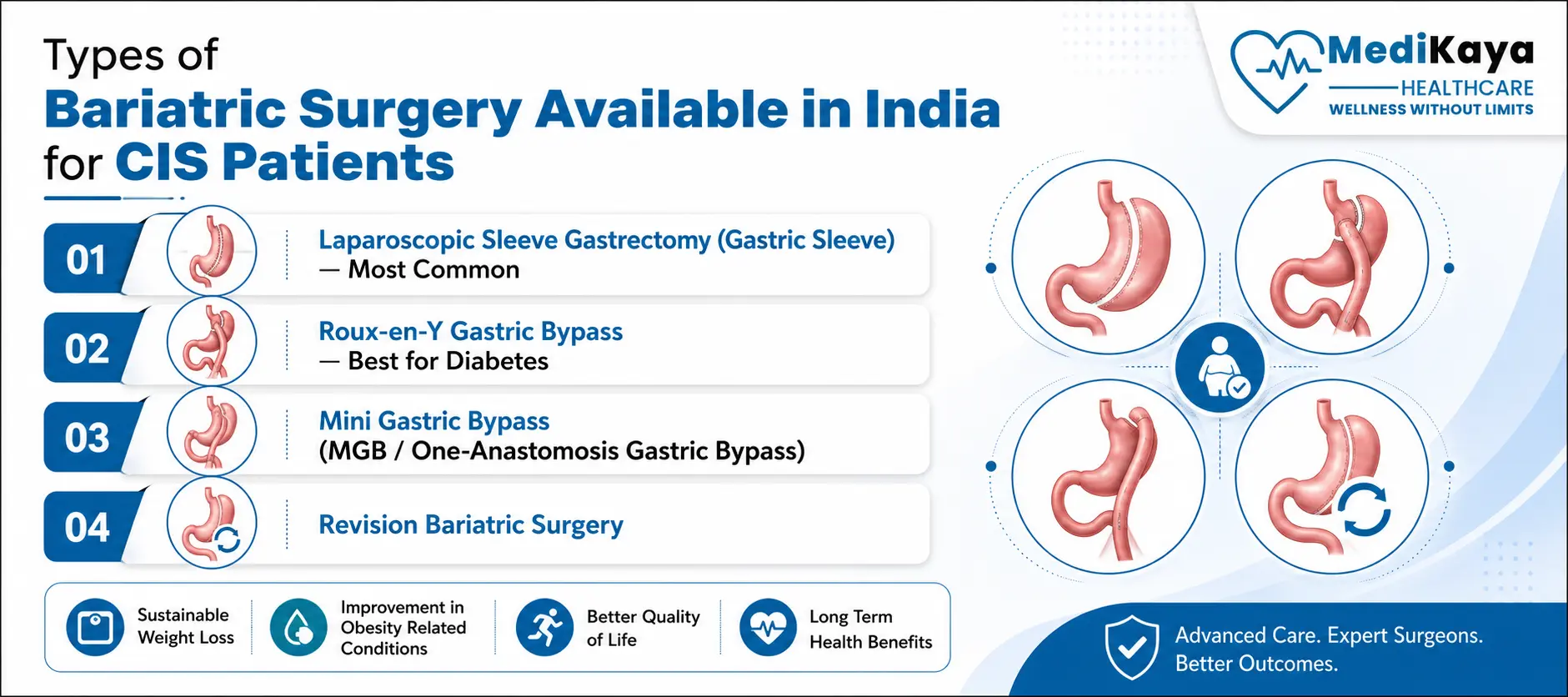
Types of Bariatric Surgery Available in India for CIS Patients
1. Laparoscopic Sleeve Gastrectomy (Gastric Sleeve)—Most Common
Laparoscopic sleeve gastrectomy, also called “gastric sleeve” in India for foreigners, has been the most popular weight loss surgery procedure in the world. The minimally invasive surgery, which removes about 80% of the stomach, will reshape the stomach into a narrow banana-shaped tube. It suppresses food consumption and reduces hormones that regulate appetite.
Cost in India: Gastric sleeve cost in India is $4,000 to $5,500. This is recommended for those with a BMI of 35-50 and patients who wish to have a less complicated procedure without having to reroute the intestine.
2. Roux-en-Y Gastric Bypass — Best for Diabetes
The surgical procedures that are known to best impact Type 2 diabetes are widely regarded as the gold standard, and one of those surgeries is Roux-en-Y gastric bypass (RYGB). It provides high remission rates (up to 80%), and gastric bypass in India has blood sugar control benefits due to the impact on gut hormones and rerouting food away from most of the stomach.
Why is RYGB so effective for diabetes?
- Hormonal Shift: It bypasses the top portion of the small intestine, which has a big impact on gut hormones (such as incretins). This helps control blood sugar and enhances insulin sensitivity before weight loss occurs.
- Superior Remission: Research has shown that the possibility of achieving Type 2 diabetes remission with RYGB is greater than with other procedures such as sleeve gastrectomy, especially in the first few years after surgery.
- Metabolic benefits: In addition to blood sugar, it treats conditions such as hypertension, high cholesterol, and diabetic kidney disease.
Cost in India: $5,000 to $7,000. Patients with severe Type 2 diabetes or GERD and patients requiring maximal weight loss, BMI 40+, are the best candidates.
3. Mini Gastric Bypass (MGB / One-Anastomosis Gastric Bypass)
Mini Gastric Bypass is a shorter, simpler, and highly effective bariatric procedure also known as One Anastomosis Gastric Bypass, or OAGB. It supports weight loss by imposing food restrictions and also aids in lowering the absorption of calories and is understood to be effective across the globe in managing metabolic health issues associated with obesity, such as type 2 diabetes.
Cost in India: $4,500 to $6,000. Indications: BMI > 35, patients who want the advantages of bypass with a reduced complexity of the procedure.
4. Revision Bariatric Surgery
Revision bariatric surgery is a corrective procedure performed when there are complications following a weight loss surgery, the patient has not lost enough weight, or the weight has been regained. The most common types of revisions are gastric sleeve to gastric bypass, leaky staples, and a stretched-out stomach pouch.
Why is revision surgery needed?
- Weight Regain & Stall: Failure of the procedure to allow for sufficient weight loss or regaining a significant amount of weight following the initial procedure.
- Mechanical Complications: Stretched gastric pouch, slipping or leakage of the gastric band, or narrowing (strictures).
- Severe Side Effects: Persistent acid reflux (GERD), ulcers, excessive vomiting, or nutritional problems.
This is a special service with a high demand of CIS patients who previously had any kind of procedure in Turkey or Kazakhstan. Cost: $6,000 to $9,000.
Bariatric Surgery Cost in India vs Kazakhstan vs. Turkey—2026
| Procedure | 🇮🇳 India | 🇰🇿 Kazakhstan | 🇹🇷 Turkey | 🇩🇪 Germany |
|---|---|---|---|---|
| Gastric Sleeve (Laparoscopic) | $4,000–$5,500 | $8,000–$12,000 | $8,000–$12,000 | $15,000–$20,000 |
| Roux-en-Y Gastric Bypass | $5,000–$7,000 | $10,000–$14,000 | $10,000–$14,000 | $18,000–$25,000 |
| Mini Gastric Bypass | $4,500–$6,000 | $9,000–$13,000 | $9,000–$13,000 | $16,000–$22,000 |
| Revision Bariatric Surgery | $6,000–$9,000 | $14,000–$18,000 | $12,000–$17,000 | $20,000–$30,000 |
| Bariatric + Hernia Repair | $5,500–$7,500 | $12,000–$16,000 | $12,000–$16,000 | $20,000–$28,000 |
Surgeon fee, anesthesiologist fee, operating theater charges, laparoscopic instruments, hospital room (3-4 days), postoperative diet packs, standard medications during hospital stay, and dietitian consultation before discharge. NOT included: flights ($400-$600 from Almaty), hotel accommodation ($35-$70/night), long-term vitamins and supplements post-surgery.
Who Qualifies for Bariatric Surgery in India Eligibility for Kazakhstani Patients
Bariatric surgery eligibility is assessed individually by the treating team, but general criteria are
- BMI ≥ 40 (without obesity-related complications) qualifies for all bariatric surgeries.
- BMI ≥ 35 and obesity-related comorbidity of at least one of these: type 2 diabetes, hypertension, sleep apnea, NAFLD, and osteoarthritis.
- BMI ≥ 32.5 with severe, poorly controlled T2 diabetes: metabolic surgery option (for people who have insulin dependence despite taking maximum possible medication).
- 18-65-year-old young persons and older patients evaluated individually.
- Failed conservative measures: Bariatric surgery is considered when the diet and exercise measures have been tried and have failed.
Those who are NOT eligible are patients with active cancer, untreated severe depression or psychiatric disorders, active substance abuse, or pregnancy. There are a few preoperative evaluations to complete, including a psychological evaluation and a cardiac assessment, before surgery.
Expected Weight Loss After Bariatric Surgery — Month by Month
Understanding realistic expectations is important before committing to bariatric surgery. Here is the typical weight loss trajectory after gastric sleeve surgery for a patient starting at BMI 42:
- Month 1: 10 to 15 percent of excess weight lost. Rapid initial loss driven by low-calorie liquid diet post-surgery.
- Month 3: 30 to 35 percent of excess weight lost. Solid foods being introduced gradually.
- Month 6: 50 to 55 percent of excess weight lost. Most active weight loss phase.
- Month 12: 60 to 70 percent of excess weight lost. Approaching maximum weight loss.
- Year 2 onwards: Weight stabilizes. Long-term maintenance with dietary compliance and annual follow-up.
For a patient who is 40 kg overweight (excess weight above healthy BMI), 60 percent excess weight loss means 24 kg lost in the first year. Long-term success depends on dietary compliance. MediKaya Healthcare connects patients with a dietitian who provides Russian-language dietary guidance throughout recovery.
Pre-Operative Preparation—What Kazakhstan Patients Must Do Before Travelling
The following preparation is required before bariatric surgery in India:
- One-week pre-operative diet: High-protein diet with low carbohydrate intake prior to surgery. This causes the liver to be smaller and makes surgery safer. The diet plan is sent by MediKaya Healthcare in Russian upon confirmation of the surgery date.
- Quit smoking: Quit smoking (if you smoke) at least 4 weeks prior to surgery. Increased anesthetic and wound complications are related to smoking.
- Medication review: The surgical team will check if the person is taking any medicines at this time. Blood thinners (e.g., aspirin, warfarin) are stopped prior to surgery. Prereadjustment of diabetes medications.
- Pre-operative tests: Blood tests, cardiac evaluation (ECG and echocardiogram for persons older than 40 or those with cardiac risk factors), chest X-ray, and abdominal ultrasound. Some of these are possible in Kazakhstan and can be sent to MediKaya beforehand.
Top Hospitals for Bariatric Surgery in India — MediKaya Healthcare Partners
- Medanta The Medicity, Gurugram, is one of the largest and most experienced bariatric surgery centers in Asia. Carries out thousands of cases of bariatrics every year. The more words in a volume, the more surgical experience in that volume. Foreign-trained bariatric surgeons. JCI accredited.
- Comprehensive bariatric program at Max Smart Super Specialty Hospital, Saket, Delhi, with an advanced team of laparoscopy. Excellent follow-up dietitians’ support and diet. International patient department with coordination by Russian department.
- BLK-Max Super Specialty Hospital, Delhi It is the main partner of MediKaya. Complete bariatric surgery (sleeve, bypass, and revision). A patient coordinator for CIS who works exclusively with patients.
- Fortis Memorial Research Institute, Gurugram, is a bariatric center of excellence. Experienced with complex surgery such as revision and combined metabolic surgery.
Frequently Asked Questions
Q: How much does gastric sleeve surgery cost in India for Kazakhstan patients?
A: Laparoscopic sleeve gastrectomy in India costs $4,000 to $5,500 including all surgical fees, a hospital stay of 3 to 4 days, anesthesia, laparoscopic instruments, a postoperative diet pack, and standard medications during admission. Compare to $8,000 to $12,000 in Kazakhstan’s private hospitals and $15,000 to $20,000 in Germany. MediKaya Healthcare provides a precise quote for your case within 48 hours of receiving your details.
Q: How much weight will I lose after bariatric surgery in India?
A: After the surgeries of gastric sleeve, the first 12 months had an excess weight of 60 to 70 percent, while after that, the surgeries of gastric bypass reduced it 65 to 80 percent. For patients whose normal weights are more than 50 kg, it means in the first year, the reduced weight is about 30 to 35 kg. If you want a long-term result, then you must follow your diet and change your lifestyle. MediKaya Healthcare continues to help CIS countries’ patients by connecting them to doctors who speak Russian well.
Q: What is the minimum BMI required for bariatric surgery in India?
A: BMI of 40 or above qualifies without requiring additional conditions. A BMI of 35 to 39.9 qualifies with at least one obesity-related comorbidity type 2 diabetes, hypertension, severe sleep apnea, or fatty liver disease. Some centers consider a BMI of 32.5 or above for patients with severe, uncontrolled type 2 diabetes a metabolic surgery indication.
Q: How long do I need to stay in India for bariatric surgery?
A: In India Total recommended stay is 7 to 10 days. In-hospital stay of 3 to 4 days. This allows for a pre-operative assessment day, surgery, 3 to 4 days of post-operative monitoring, dietitian consultation, and medical clearance to fly. Most patients are comfortable flying home on days 7 to 10 post-surgery. Your surgical team provides a fitness-to-fly letter before discharge.
Q: Can Type 2 diabetes improve after bariatric surgery?
A: Yes, it is one of the most important benefits for bariatric surgery. Gastric bypass achieves type 2 diabetes remission in 60 to 80 percent of patients, meaning blood sugar normalizes without medication. A gastric sleeve achieves remission in 50 to 60 percent of cases. Remission often occurs within weeks of surgery before significant weight loss through hormonal and metabolic mechanisms that are separate from weight loss alone.
Бариатрическая хирургия в Индии для пациентов из Казахстана — 2026
Ожирение в Казахстане превысило 22% по данным ВОЗ. Бариатрическая хирургия — единственный доказанный метод устойчивого снижения веса при морбидном ожирении. Лапароскопическая рукавная гастрэктомия в Индии стоит $4,000–$5,500 — против $8,000–$12,000 в частных клиниках Казахстана и $15,000–$20,000 в Германии.
Виды операций: рукавная гастрэктомия (удаление части желудка), шунтирование желудка (Roux-en-Y), мини-шунтирование. Пребывание в больнице: 3–4 дня. Общий срок пребывания в Индии: 7–10 дней. Средняя потеря лишнего веса за 12 месяцев: 60–70%.
При сопутствующем сахарном диабете 2-го типа: ремиссия достигается в 60–80% случаев после шунтирования желудка. Ведущие больницы-партнёры MediKaya Healthcare: Medanta, Max Saket, BLK-Max, Fortis Memorial. Бесплатная оценка вашего случая за 48 часов. Русскоязычный диетолог сопровождает весь период восстановления.