
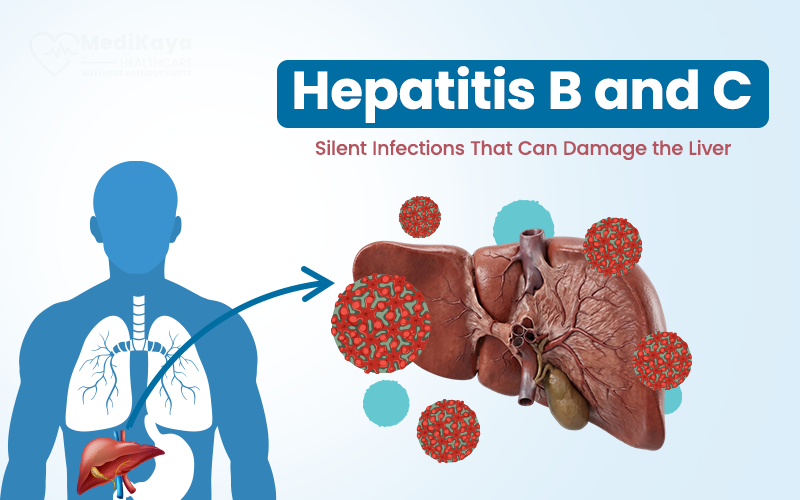
Hepatitis B and C can live in the body for years without symptoms, quietly harming the liver. The key facts: both can be detected with a simple blood test, and both can be managed. Here is what to know about hepatitis B and C symptoms, testing, and treatment.
What Are Hepatitis B and C?
Hepatitis means inflammation of the liver. It can be caused by alcohol, medicines, fatty liver, and autoimmune disease, but viruses are an important cause. Hepatitis B and C are viruses that can cause long-term infection, leading over time to scarring of the liver (cirrhosis) and, in some people, liver cancer.
Hepatitis B vs Hepatitis C: Key Differences
| Hepatitis B | Hepatitis C | |
|---|---|---|
| How it spreads | Through blood and body fluids: from mother to baby at birth, unprotected sex, sharing needles or other items contaminated with blood | Mainly through contact with infected blood, such as shared needles or unsafe medical or cosmetic procedures |
| Assessment Prevention | A vaccine is available and highly effective. | No vaccine; avoiding exposure and ensuring safe procedures |
| Treatment | Long-term infection is usually controlled with antiviral medicines and monitoring; it is not always cleared. | Modern antiviral medicines can cure most people, as advised by a specialist. |
| Silent? | Often, particularly in chronic infection | Often, for many years |
Hepatitis B and C Symptoms to Watch For
Many people have none. When they appear, they can include tiredness, loss of appetite, nausea, abdominal discomfort, dark urine, pale stools, and yellowing of the skin and eyes (jaundice).
Who Should Get Tested for Hepatitis B and C?
- Anyone who has had a blood transfusion, surgery or dental work in settings where equipment safety was uncertain
- People who have shared needles or razors, or had tattoos or piercings with unsterile equipment
- People with a close family member or partner with hepatitis B or C
- Babies born to mothers with hepatitis B, who need prompt vaccination as advised by their doctor
- Anyone with unexplained abnormal liver tests, or before certain treatments such as chemotherapy
If you are not sure whether you should be tested, ask your doctor. A hepatitis B test or hepatitis C test is a simple blood test.
How it is managed
- Confirm the infection
Blood tests show whether the virus is present and how active it is.
- Assess the liver
Further blood tests, ultrasound, and sometimes a scan that measures liver stiffness show how much scarring there is.
- Decide on treatment
Depends on the virus, how active it is and the state of the liver.
- Monitoring
Regular follow-up of liver function, virus levels, and screening for liver cancer where indicated.
- Protect others
Vaccination for close contacts of hepatitis B, and sensible precautions with blood and sharp items.
A note on this topic
A hepatitis diagnosis can bring worry about health, relationships and stigma. These infections are not a reflection on your character, and good medical care and confidentiality are your right. Counselling can help you with these conversations.
Questions to ask your doctor
Bring these to your appointment
- Which virus do I have, and how active is it?
- How much damage has my liver sustained?
- Do I need treatment now, and what are the options?
- How often will I be monitored?
- What should my family or partner do?
Frequently asked questions
Q: Can hepatitis B be cured?
Chronic hepatitis B is usually controlled rather than cured, though treatment can greatly lower the risk of liver damage. Some people clear the virus naturally.
Q: Can hepatitis C be cured?
Modern antiviral medicines can cure most people with hepatitis C, after assessment by a specialist.
Q: Can I get vaccinated against hepatitis B?
Yes, and it is generally recommended, particularly for babies and people at risk. Ask your doctor.
Q: Can I spread it by sharing food?
Hepatitis B and C are not spread by sharing food, drinks, coughing or sneezing, or normal social contact.
Q: Can I get my reports reviewed?
Yes. Our partner liver specialists can review your hepatitis reports through a free, no-obligation second opinion.
Conclusion: Testing Is the First Step
The most important step with hepatitis B and C is also the simplest: find out whether you have it. Early detection, appropriate treatment, and regular monitoring protect the liver and can prevent the most serious complications.