
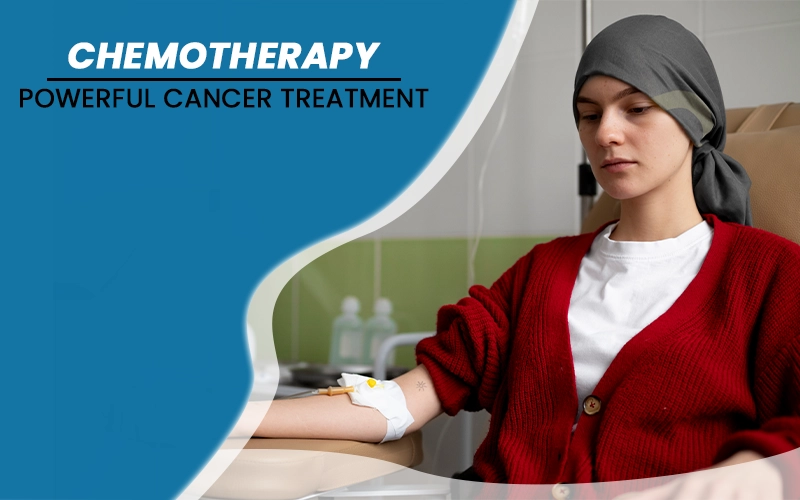
Cancer care has changed fast, new targeted medicines, immunotherapies and precision diagnostics now sit alongside surgery and radiotherapy, so it’s reasonable to ask whether chemotherapy treatment for cancer is still among the best cancer treatments available, or whether patients should move straight to alternatives to chemotherapy. The honest answer is, chemotherapy remains one of the most proven, broadly applicable and life-saving pillars of cancer therapy and in many cancers it is still the most reliable route to cure or long-term control, especially when it is planned and delivered through a coordinated, international-patient–ready programme like MediKaya Healthcare’s oncology support ecosystem.
Why Chemotherapy Remains a Cornerstone of Modern Cancer Care?
Chemotherapy refers to anti-cancer medicines (often called cytotoxic or systemic anti-cancer therapy) that travel through the bloodstream to attack cancer cells throughout the body. Macmillan Cancer Support describes chemotherapy as medicines that destroy cancer cells and notes that, because they circulate in the blood, they can reach cancer cells in many locations at once. This “system-wide reach” is one of chemotherapy’s biggest strengths, it is not limited to one tumour site and it can treat microscopic disease that imaging may not yet detect.
The NHS also frames chemotherapy as a common cancer treatment used for many cancer types, with goals that range from cure to reducing recurrence risk, shrinking tumours, slowing spread and relieving symptoms. That versatility is part of why chemotherapy continues to sit at the core of oncology protocols worldwide.
The Contexts Where Chemotherapy Remains the Most Powerful Option
The phrase “most powerful” is tricky because cancer is not one disease; it is dozens of diseases with different behaviours, growth rates and vulnerabilities. In some cancers, newer therapies may outperform chemotherapy for certain patients, especially when a tumour has a clear molecular target or when immune activation is particularly effective. But for many cancers, chemotherapy is still the backbone because it can-
- Shrink aggressive disease quickly (useful when symptoms are growing or organs are threatened).
- Treat cancer wherever it has travelled (important in metastatic disease where multiple sites are involved).
- Work even when a tumour has no actionable mutation or biomarker (a common situation where targeted therapy is not an option).
- Combine synergistically with surgery or radiotherapy, often improving the overall chance of cure or durable control.
The U.S. National Cancer Institute (NCI) lays this out clearly, chemotherapy can be used before surgery or radiotherapy to shrink tumours (neoadjuvant), after local treatment to destroy remaining cancer cells (adjuvant), to enhance other treatments or to treat cancer that has returned or spread.
Chemotherapy’s Major Role in Curing Certain Cancers
A strong way to assess “power” is to look at cancers where chemotherapy transformed outcomes. The NCI highlights cisplatin (a chemotherapy drug) as a turning point, best known for curing testicular cancer and also used across multiple other cancers. In clinical history, cisplatin-based combinations helped shift metastatic testicular cancer from a largely fatal disease to one with very high cure rates; multiple clinical summaries describe cure rates reaching very high levels with modern chemotherapy-based regimens.
Similarly, for Hodgkin lymphoma, combination chemotherapy regimens have been central to turning a once-lethal condition into one of the most curable cancers in many stages, an outcome reflected in long-term survival reports and contemporary analyses of standard regimens (for example, ABVD-based approaches).
These examples matter because they show chemotherapy is not simply a “fallback” option; in defined clinical scenarios it is the treatment that most directly drives cure.
The modern “best cancer treatments”
Across today’s oncology landscape, the best outcomes increasingly come from precision combination planning: matching the cancer’s biology and the patient’s overall condition with the right mix of therapies. The NCI’s overview of cancer treatment types places chemotherapy alongside surgery, radiation therapy, immunotherapy and targeted therapy as standard pillars of care.
Immunotherapy, for instance, can sometimes produce deep and durable responses, particularly when the tumour is immunogenic or when biomarkers predict benefit. The American Cancer Society explains the core difference clearly- immunotherapy enlists the body’s immune system to fight cancer, while traditional chemotherapy directly damages cancer cells (and can also affect some healthy dividing cells). Targeted therapy, meanwhile, is designed to block specific proteins that drive cancer growth, representing a key route to personalised medicine when the right target is present.
So in many real-world plans, alternatives to chemotherapy are not replacements but adjuncts, they may be added when biomarkers support them or used sequentially when resistance develops or selected as first-line therapy when the evidence is strongest for a particular cancer subtype. The practical takeaway is that “best cancer treatments” are usually the ones built from the best available tools for that patient, often blending chemotherapy with one or more modern therapies.
Why do patients still need chemotherapy?
Even as new options expand, chemotherapy remains essential in several common situations-
1) When the cancer is fast-growing or life-threatening in the short term
For rapidly progressing disease, oncologists often need treatments that can reduce tumour burden quickly to stabilise the patient and protect organ function. Chemotherapy’s systemic reach and established dosing frameworks make it a dependable first move in many urgent scenarios. The NHS specifically notes that chemotherapy may be used to shrink cancer, stop it spreading and relieve symptoms.
2) When the tumour lacks a targetable mutation or the patient is not eligible for newer agents
Targeted therapies depend on identifying the right molecular driver; if testing does not reveal a match (or if the patient cannot tolerate the necessary combination), chemotherapy may remain the most effective evidence-based option. This is one reason chemotherapy continues to be prescribed across many cancer types and stages (as reflected in mainstream cancer treatment overviews).
3) When the goal is cure (not only control)
For certain cancers, especially some germ-cell tumours and lymphomas, chemotherapy has historically delivered cure rates that set the benchmark for “powerful” treatment. The NCI’s discussion of cisplatin and testicular cancer underlines this transformative role.
4) When is chemotherapy the best partner for surgery or radiotherapy
Modern oncology frequently uses chemotherapy to improve the success of local treatments. The NCI’s description of neoadjuvant and adjuvant chemotherapy is a practical example, chemotherapy can shrink a tumour before surgery or radiotherapy and it can destroy remaining cancer cells afterwards to reduce relapse risk.
Chemotherapy Side Effects- What They Are and How Good Care Changes Everything?
A fair evaluation also has to include chemotherapy’s risks and side effects. Chemotherapy targets dividing cells and because some healthy tissues (like bone marrow, hair follicles and the lining of the digestive tract) also renew quickly, side effects can occur. Cancer Research UK explains that many side effects are temporary and improve after treatment, while some can be longer-lasting; it also details common issues such as blood-count changes and infection risk.
What makes chemotherapy “work well” in 2025 is not only the drug choice, it’s the supportive care framework around it- proactive monitoring, infection prevention plans, nutrition and hydration support, symptom control (for nausea, pain, fatigue) and clear escalation pathways when something changes. When this scaffolding is strong, chemotherapy becomes safer, more tolerable and more effective because patients can stay on schedule and complete the planned course.
The MediKaya Healthcare Chemotherapy Care Pathway for International Patients
If you are evaluating chemotherapy as part of your cancer plan from outside India, the clinical decision is only half the story. The other half is logistics, how to get the right oncologist, the right hospital environment and the right continuity of care without added stress and delays. This is where MediKaya Healthcare is designed to make a measurable difference.
1) Medical opinion & treatment planning (the “roadmap” step)
MediKaya Healthcare begins by helping patients translate a diagnosis into a clear plan- which staging information is needed, which investigations should be completed and which treatment pathway is most appropriate, curative intent, adjuvant intent or symptom-control/tumour-control intent. This planning is especially important for chemotherapy treatment for cancer because the best regimen depends on tumour type, stage, general health and previous therapies.
2) Doctor and hospital matching (quality with fit)
Not every oncology centre is the right fit for every case. MediKaya Healthcare’s role is to align patients with facilities and specialist teams that routinely deliver the relevant chemotherapy protocols, whether the focus is solid tumours, haematological cancers or complex combination plans involving surgery and radiotherapy. This matching reduces the “trial-and-error” feeling that many international patients fear.
3) Appointment coordination and timeline management (so treatment starts on time)
Chemotherapy schedules are time-sensitive: cycles and monitoring windows are designed to balance effectiveness with safety. MediKaya Healthcare supports tight scheduling for consultations, baseline tests, port or line placement if required and cycle planning, helping patients avoid the gaps that can undermine outcomes.
4) Visa, travel & accommodation support (the practical barriers removed)
For international patients, the medical journey often becomes a travel project: flights, documentation, local transport and comfortable accommodation near the treatment centre. MediKaya Healthcare’s support structure is built to reduce friction here, so more of your attention stays on recovery and decision-making, not paperwork.
5) End-to-end patient care assistance (continuity that protects outcomes)
Chemotherapy is not a single appointment; it is a sequence of cycles, lab checks and recovery periods. MediKaya Healthcare can support consistent follow-up scheduling, translation or communication facilitation where needed and structured post-treatment planning (including home-country follow-up options and long-term monitoring advice). This continuity is especially valuable when the plan includes multiple modalities, chemotherapy plus radiotherapy or chemotherapy followed by surgery, because coordination prevents missed steps and conflicting instructions.
Understanding Treatment Power in 2025- A Practical, Patient-Friendly Framework
If someone asks, “Is chemotherapy still the most powerful cancer treatment today?”, the most accurate, patient-friendly answer is-
- Chemotherapy is still one of the most powerful and dependable core treatments because it can treat widespread disease, can cure specific cancers and can strengthen surgery/radiotherapy outcomes.
- The “most powerful” option for a particular person is the one that best matches their cancer’s biology and their health context, sometimes that will be a targeted therapy or immunotherapy (when the evidence and biomarkers support it), and sometimes it will be chemotherapy as the central engine of cure or control.
- Alternatives to chemotherapy should be viewed as additions to the toolkit rather than automatic upgrades because the strongest results often come from thoughtful combinations and sequencing rather than one single “next best” drug class.
What patients should expect (a clear, supportive pathway)
For an international patient considering chemotherapy through MediKaya Healthcare, the journey typically becomes- confirm diagnosis and staging → choose the most appropriate intent (curative vs control) → design the regimen (including any targeted or immune-based additions when indicated) → arrange safe delivery and monitoring → manage side effects proactively → plan recovery and long-term surveillance. This structure is what turns complex oncology into a manageable plan—without pretending chemotherapy is easy, but also without underestimating its life-saving value.
Conclusion-
So, is chemotherapy still the most powerful cancer treatment today? In many real clinical situations, chemotherapy treatment for cancer remains among the best cancer treatments, not because it is the newest option, but because it is one of the most broadly effective, evidence-backed and versatile foundations in oncology, capable of curing certain cancers and strengthening outcomes across many others. At the same time, modern oncology has expanded the menu so patients can access alternatives to chemotherapy where the science supports them, often using a combination strategy that gives the best chance of long-term control and quality of life.
For international patients, the difference between “the right protocol” and “the right experience” is huge- MediKaya Healthcare supports the entire journey, from expert treatment planning and hospital/doctor alignment to visa, travel, accommodation and continuity of care, so the focus stays where it belongs- effective cancer control, safe delivery of therapy and a recovery path you can actually sustain.
Follow us on:
Address:
E-44/3, First Floor, Okhla Ind. Area Phase 2,
Okhla Industrial Estate, South Delhi,
New Delhi – 110020, India