
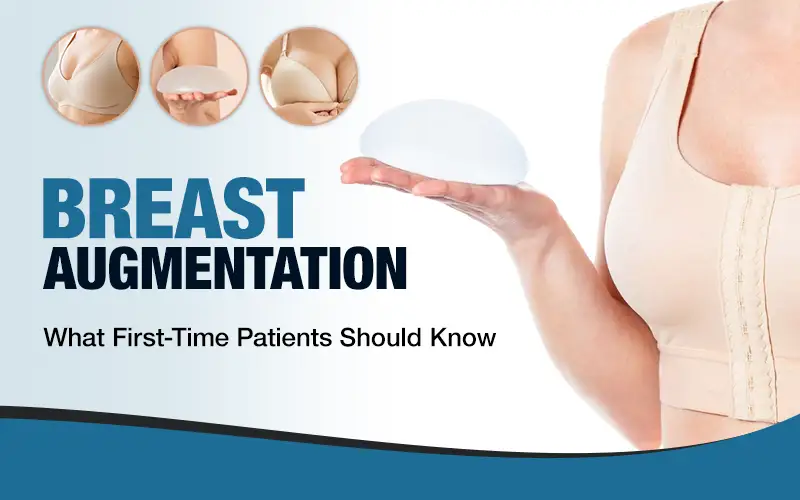
Breast augmentation is one of the most popular cosmetic procedures, and one of the most frequently misunderstood. Implants are devices, not permanent parts, and the choices about size, type and placement matter just as much as the surgery itself. Here is what to know about breast augmentation surgery before you talk to a surgeon.
Breast augmentation uses implants to make the breasts bigger bring fullness or improve how they look with the rest of the body. It is a surgery so you don’t have to rush. You can take your time to learn about the procedure ask all the questions you need and even decide not to go if it’s not right for you. The best results usually come when you know what you want have realistic expectations, and work with a surgeon who is honest about the benefits and the downsides. That includes the parts that aren’t always talked about: the risks, the recovery and the long-term care.
The main decisions
| Decision | Options | What to discuss |
|---|---|---|
| Implant filling | Silicone gel-filled or saline (salt-water) filled | Feel, how a rupture shows up, and follow-up needs. Silicone implants may call for periodic MRI or ultrasound checks, as advised by your surgeon |
| Implant size and shape | Round or contoured; a range of volumes and projections | Your chest width, existing breast tissue and goals; a surgeon should measure and explain, not just ask for a cup size |
| Incision location | Under the breast fold, around the nipple edge, or through the armpit | Where the scar will sit, how it may heal, and how each option affects the surgeon’s access |
| Implant placement | In front of or behind the chest muscle (or a combination) | Appearance, recovery, and how placement relates to your tissue coverage and the risk of certain complications |
There is no single “best” combination. The right choice depends on your anatomy, your goals, and your surgeon’s assessment, which is why a thorough consultation, including a physical examination, matters more than any article, including this one.
The risks, honestly
All surgery carries general risks such as bleeding, infection and reactions to anaesthesia. Specific to breast implants, health regulators including the US FDA list the following among the more common issues:
- Capsular contracture: scar tissue that tightens around the implant, which can cause hardening, discomfort or a change in shape and may need further surgery.
- Reoperation and implant removal or replacement: patients are advised to assume they may need more surgery over time.
- Rupture or deflation of the implant.
- Asymmetry, wrinkling or visible rippling, and scarring.
- Changes in nipple or breast sensation, pain, or infection at the incision site.
Two further topics deserve plain explanation:
- BIA-ALCL (breast implant-associated anaplastic large cell lymphoma) is a rare cancer of the immune system that can develop in the scar tissue and fluid around an implant, and most reported cases have been linked to textured implants. It is not breast cancer. It is generally treatable when found, but it is serious, so unusual swelling or pain around an implant, particularly years after surgery, should be checked promptly.
- “Breast implant illness”: some women report symptoms such as fatigue, brain fog, and joint or muscle pain after getting implants. Regulators note these symptoms may not meet the criteria for a recognised disease, and some women report improvement after implants are removed. If you have concerns, discuss them with your surgeon and, where relevant, your physician before surgery.
What the Breast Augmentation Process Looks Like
- Consultation and examination
Your goals, medical history, medicines, and any family history of breast problems. The surgeon examines and measures you and talks through suitable implant options and the risks.
- Cooling-off time and pre-operative checks
Time to think, ask follow-up questions, and complete any tests the team requests. Stopping smoking beforehand, as your surgeon advises, supports healing.
- Surgery
Usually performed under general anaesthesia. The implant is placed through the chosen incision into the planned position. Your surgeon will explain how long you should expect to be in hospital.
- Early recovery
Soreness, swelling and a feeling of tightness are common at first. You will usually wear a supportive garment and be advised to avoid heavy lifting and strenuous activity for a period set by your surgeon, as well as given guidance on when you can return to work and drive.
- Follow-up and settling
Breasts settle over weeks to months, and the final shape isn’t apparent immediately. Follow-up visits check healing and look for early complications.
A note on this topic
Decisions about our bodies are personal, and it is worth asking yourself honestly why you want surgery and what you hope it will change. Cosmetic surgery can bring real satisfaction, but it won’t resolve distress that comes from elsewhere. If concerns about your body are affecting your wellbeing, a conversation with a doctor or counsellor before surgery is a sensible step.
Questions to ask your surgeon
- What are your qualifications, and how often do you perform this operation?
- Which implant types do you use, and why do you recommend one for me?
- What are the specific risks for me, and how are complications handled?
- How long will the implants last, what checks will I need, and what happens if I need a revision?
- Will I get a record of the implant type and details, so any future doctor knows what I have?
Frequently asked questions
Q: How long do breast implants last?
There is no guaranteed lifespan. Regulators state implants are not lifetime devices and the longer you have implants the likely implants are to need removal or replacement. Plan, for the possibility of surgery.
Q: Will implants affect breastfeeding or mammograms?
These are questions to raise with the surgeon before surgery. Always tell the radiographer about the implants, before any mammogram so the radiographer can adapt the technique.
Q: How much does breast augmentation cost in India?
The cost depends on the implant type, the surgeon, the hospital and the extent of surgery. One of our partner hospitals, Max Smart Super Speciality Hospital in Saket, lists breast augmentation at roughly $2,500 to $5,500, and a surgeon can give a personalised estimate after your consultation.
Q: Do silicone implants need regular scans?
Patients who have silicone gel implants might need to get MRI scans or ultrasound tests to check if the implants have broken open. Talk to your surgeon, about what they suggest for you. How often you should do this.
Q: Is breast augmentation covered by insurance?
Elective cosmetic surgery usually isn’t covered by insurance. If you need removal or replacement because of complications that might not be covered either. Make sure to check what is and what isn’t covered before you decide to go.
Q: Can I get an opinion before deciding?
Yes. Our partner plastic surgery specialists can look over your goals and medical history during a no-obligation consultation. You can ask all your questions before making any decisions.
Conclusion
Breast augmentation can be a satisfying choice for the right person but it is a long‑term decision, with real downsides. Take your time ask about the risks well as the benefits and choose a surgeon who is comfortable telling you what breast augmentation implants cannot do as what breast augmentation implants can do.