
Most gallstones cause no symptoms and need no treatment at all. Pain that keeps coming back after eating is a different situation. Here is how to tell the difference and the specific gallstone symptoms and warning signs that mean it is time for care instead of another round of “wait and see.” Gallstones are spots …

Blog

Braces vs. Clear Aligners: Which Actually Fits Your Life?
Both can fix teeth properly. The real answer to “which’s better” depends less on the tool and more on how complicated your bite is and how good you are at taking care of it every day. Here is a comparison of braces vs. Invisalign, without any marketing talk. “Braces or Invisalign?” is one of the …
Continue reading “Braces vs. Clear Aligners: Which Actually Fits Your Life?”

Glaucoma Screening: The “Silent Thief of Sight” Explained
Glaucoma is one of the leading causes of irreversible blindness worldwide, and it typically causes no symptoms at all until meaningful vision loss has already occurred. Here’s what’s actually happening in the eye, who’s at higher risk, and why regular glaucoma screening, not waiting for symptoms is the only real defence. Most eye conditions announce …
Continue reading “Glaucoma Screening: The “Silent Thief of Sight” Explained”
Liposuction vs. Tummy Tuck: What’s the Actual Difference?
“Just get lipo” is common advice for almost any body-contouring concern, and it’s frequently wrong. The liposuction vs tummy tuck decision comes down to one question: is your concern fat, skin, or muscle? Liposuction and a tummy tuck solve genuinely different problems. Here’s how to know which one actually addresses yours. Liposuction and tummy tuck …
Continue reading “Liposuction vs. Tummy Tuck: What’s the Actual Difference?”

Living Donor Liver Transplant: When Is It Necessary and How Does It Work?
The liver is the only organ in the body that can regrow itself. As a result, the liver is the only organ that can provide an option for transplant that the kidney or the heart simply does not have. Know when a transplant actually becomes necessary and how a living donor liver transplant works. No …
Continue reading “Living Donor Liver Transplant: When Is It Necessary and How Does It Work?”

Male Infertility: The Half of the Equation Often Overlooked
It’s common to put the female partner in the spotlight when talking or thinking about fertility, whether it’s in media or in the real world, including in early medical workups. However, men factor into about 50% of cases of infertility and are sometimes easier to diagnose. When a couple is struggling to conceive, the first …
Continue reading “Male Infertility: The Half of the Equation Often Overlooked”

Stroke Warning Signs: Why Minutes Matter (The FAST Method)
Treating strokes is one of the most time-constrained fields of practice in all of medicine, as opportunities to provide treatment lessen as time goes by. Checking for stroke using the FAST method for stokes only takes a few seconds to perform and could change the outcome for a stroke survivor. Blood flow to part of …
Continue reading “Stroke Warning Signs: Why Minutes Matter (The FAST Method)”

Hip Replacement Surgery: Is It Right for You?
Hip replacement surgery removes a damaged hip joint and replaces it with an artificial implant made of metal, ceramic, or plastic components. It’s typically recommended for people with severe arthritis or joint damage causing chronic pain and limited mobility. Most patients walk within a day of surgery and return to normal activities within three to …
Continue reading “Hip Replacement Surgery: Is It Right for You?”

Cancer Staging Explained: What Stage 1 Through 4 Actually Means
The stages associated with many cancers are designed to measure how far the disease has progressed. Here’s a look at how the TNM staging system works and some considerations when treating patients with the same stage number associated with different cancers. A stage is a description, not a prediction It tells your care team how …
Continue reading “Cancer Staging Explained: What Stage 1 Through 4 Actually Means”
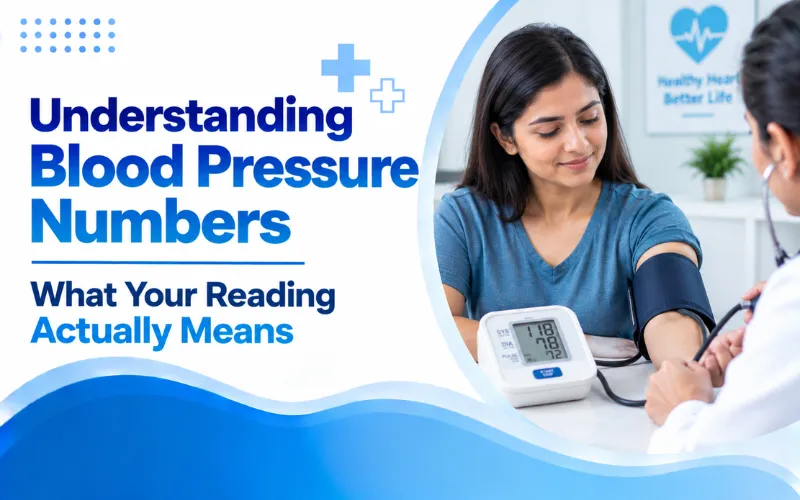
Understanding Blood Pressure Numbers: What Your Reading Actually Means
Two numbers, one reading, and depending on which guideline your doctor follows, the same reading can carry a different label. Here’s what each number measures, where the major guidelines disagree, and what to do with a result higher than you expected. The same reading can be “high” in one guideline and “elevated” in another. That …
Continue reading “Understanding Blood Pressure Numbers: What Your Reading Actually Means”